Join over 5,000 readers of our monthly newsletter!


By submitting this form, you are consenting to receive marketing emails from: Bluejacket Shipcrafters, Inc.. You can revoke your consent to receive emails at any time by using the SafeUnsubscribe® link, found at the bottom of every email. Emails are serviced by Constant Contact

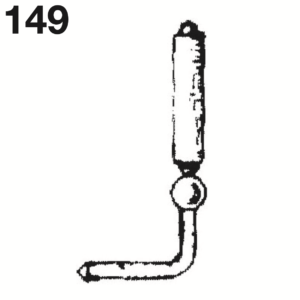
Whistles

The Voice of the Vessel: The Vital Purpose of Ship Whistles
In the vast and often unpredictable expanse of the open sea, the ship’s whistle – technically known as a “sound signaling appliance” – serves as a vital instrument of communication and safety. Far from being a mere ceremonial noisemaker, the whistle is the “voice” of the vessel, governed by strict international regulations known as COLREGs (International Regulations for Preventing Collisions at Sea). Its primary purpose is to convey intent and warning to other mariners, ensuring that ships can navigate safely even when visual cues are insufficient.

The most critical function of the whistle is maneuvering and warning signals. When two ships are in close proximity, they use a standardized “language” of short blasts to communicate their actions. For instance, one short blast indicates a vessel is altering its course to starboard (right), while two short blasts indicate a turn to port (left). If a captain is unsure of another vessel’s intentions or perceives a risk of collision, they will sound at least five short, rapid blasts – the “danger signal” – to alert the other ship to take immediate corrective action.


Beyond maneuvering, whistles are indispensable during restricted visibility. When heavy fog, rain, or snow blankets the water, radar can sometimes fail or miss small objects. In these conditions, ships are required to sound “fog signals” at regular intervals—typically one or two prolonged blasts—to announce their presence and status (whether they are making way through the water or are stopped) to anyone within earshot. This acoustic beacon helps prevent collisions in environments where the eyes are rendered useless.

Finally, the whistle serves as a primary emergency alarm. In the event of a fire, a “Man Overboard” situation, or a general emergency requiring the crew and passengers to muster, the whistle provides a piercing, unmistakable signal that can be heard over the roar of the engines and the crashing of waves. By cutting through environmental noise and bridging the gap between electronic communication failures, the ship’s whistle remains one of the most reliable and enduring safety features in maritime history.

Join over 5,000 readers of our monthly newsletter!


By submitting this form, you are consenting to receive marketing emails from: Bluejacket Shipcrafters, Inc.. You can revoke your consent to receive emails at any time by using the SafeUnsubscribe® link, found at the bottom of every email. Emails are serviced by Constant Contact